Systems & Comparisons
What Is a Heat Pump? How It Works, Types, Costs & Benefits
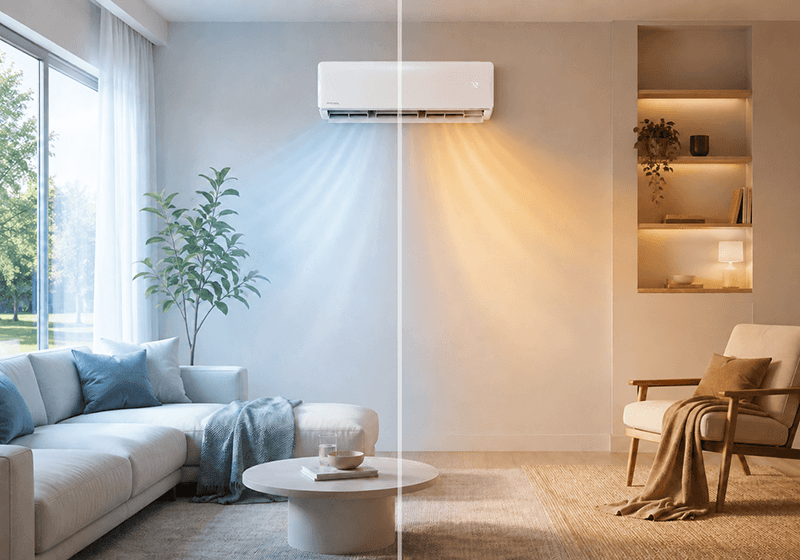
A heat pump is an energy-efficient HVAC system that heats and cools your home by transferring heat rather than generating it directly. Powered by electricity, it provides year-round comfort by moving heat indoors during winter and outdoors during summer.
Think of it like a refrigerator that can run in reverse:
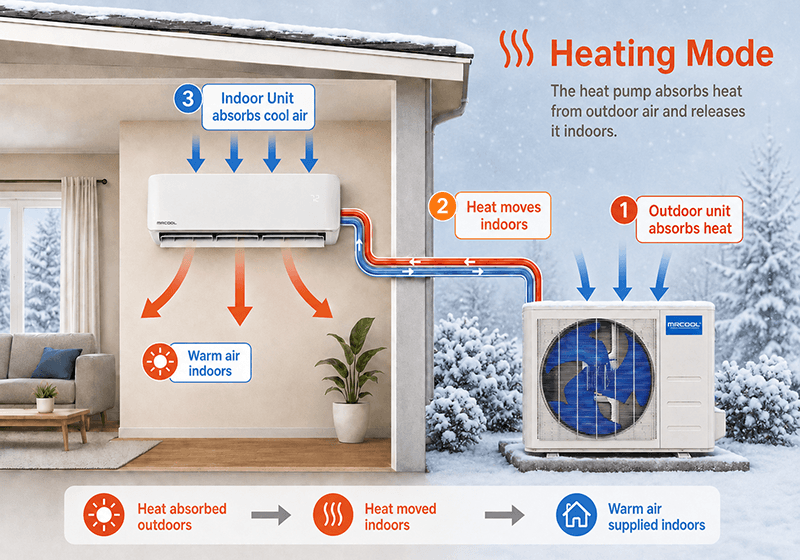
- Heating Mode: Extracts heat from outdoor air and transfers it indoors, even when outside temperatures are below freezing.
- Cooling Mode: Removes heat from indoor air and transfers it outside, helping keep your home cool and comfortable.
Common Types of Heat Pumps
- Air-Source: The most popular option. These transfer heat between the indoor and outdoor air. They come in ducted models (which connect to central vents) and ductless models (often called "mini-splits," which mount directly onto the wall or within the ceiling of individual rooms).
- Geothermal (Ground-Source): These use buried loops of pipe to exchange heat with the earth, which maintains a stable, moderate temperature year-round. While they carry higher upfront installation costs, they offer the highest overall efficiency.
Can Heat Pumps Work Below Freezing?
Modern heat pumps are designed to provide reliable heating even when outdoor temperatures fall below freezing. Unlike older models that struggled in cold weather, today's advanced systems can efficiently extract heat from outdoor air in temperatures well below 32°F (0°C), making them a practical heating solution for many climates.
Cold-climate heat pumps use advanced inverter-driven compressors, variable-speed fans, and enhanced refrigerants to maintain comfort during harsh winter weather. Some models also include supplemental electric heat or specialized cold-weather technology to provide additional warmth during extremely low temperatures. According to the U.S. Department of Energy, modern heat pumps can provide efficient heating even when outdoor temperatures fall below freezing, making them a dependable option for homeowners in many parts of the United States.
Do Heat Pumps Replace Air Conditioners?
A heat pump performs the same cooling function as a traditional air conditioner while also providing heating during colder months. In the summer, it removes heat and humidity from inside your home and transfers it outdoors, keeping your living space cool and comfortable.
Because a heat pump can both heat and cool your home, many homeowners replace separate heating and cooling systems with a single all-in-one unit. This simplifies maintenance, reduces equipment to service over time, and can improve overall energy efficiency.
Are Heat Pumps Cheaper Than Furnaces?
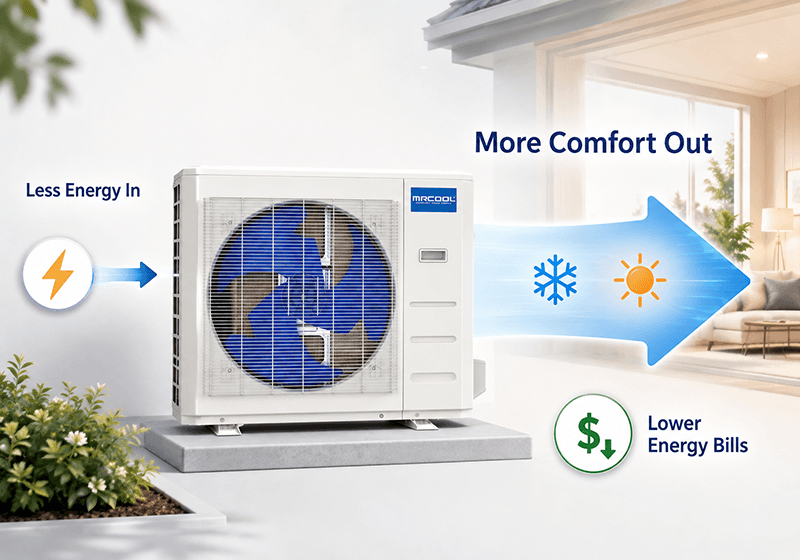
Heat pumps often cost less to operate than traditional furnaces because they move heat instead of generating it. This makes them significantly more energy-efficient, especially in moderate climates where they can provide three to four units of heat for every unit of electricity they consume. Actual energy savings depend on factors such as local utility rates, your climate, and the efficiency of the system being replaced.
Installation costs vary depending on the type of equipment and your home's existing HVAC setup. A heat pump may have a higher upfront cost than replacing only a gas furnace, but because it provides both heating and cooling, it can eliminate the need to purchase separate HVAC systems. In many areas, homeowners may also qualify for rebates or tax incentives that help reduce installation costs.

Do Heat Pumps Use Gas?
Standard heat pumps run entirely on electricity and do not burn natural gas, propane, or heating oil to produce heat. Instead, they use electricity to transfer heat from one location to another through a refrigeration cycle, making them a more energy-efficient alternative to combustion-based heating systems.
Some homes use dual-fuel or hybrid HVAC systems that pair an electric heat pump with a gas furnace. In these systems, the heat pump handles most heating needs, while the furnace automatically provides supplemental heat during extremely cold weather when additional heating capacity may be beneficial.
How Long Do Heat Pumps Last?
Most heat pumps have a lifespan of approximately 15 to 20 years when properly maintained. Factors such as climate, installation quality, system usage, and routine maintenance all play an important role in determining how long a unit will last.
To maximize the lifespan of your heat pump, replace air filters regularly, keep the outdoor unit free of leaves and debris, and schedule professional maintenance according to the manufacturer's recommendations. Choosing a high-quality, properly sized system and installing it correctly can also help ensure years of reliable performance.
Are Heat Pumps Worth It?
Heat pumps provide efficient heating and cooling in a single system, helping reduce energy consumption while maintaining year-round indoor comfort. Because they transfer heat instead of generating it, they typically use less energy than traditional electric resistance heating and can lower monthly utility bills depending on your climate and the system being replaced. According to the U.S. Department of Energy, modern heat pump systems can reduce energy usage by up to 50% compared to electric resistance heating (depending on climate).
Modern heat pumps also offer additional benefits such as quieter operation, improved humidity control, smart home integration, and reduced greenhouse gas emissions compared to many fossil fuel heating systems. With available rebates, tax incentives, and innovative DIY installation options like MRCOOL® DIY® systems, upgrading to a heat pump can provide long-term value through lower operating costs, increased comfort, and simplified HVAC ownership.
Why Choose a MRCOOL® Heat Pump?
- Thousands Saved on Installation: MRCOOL®’s flagship DIY® series features patented pre-charged line sets. This allows handy homeowners to install the system themselves, completely bypassing labor costs to hire a specialized HVAC technician.
- Exceptional Energy Efficiency: Because they move existing heat instead of generating new heat, MRCOOL® systems boast ultra-high SEER2 (Seasonal Energy Efficiency Ratio 2) ratings. They are up to 3 to 4 times more efficient than traditional gas furnaces or baseboard heaters, keeping utility bills low.
- Smart Home Control: Most MRCOOL® units are fully connected. Using the included Wi-Fi module, you can control your climate from anywhere via the app, or use voice commands with Amazon Alexa and Google Assistant.
- Year-Round Comfort: You get powerful heating and cooling from a single, unified system, which eliminates the need to buy and maintain a separate furnace and AC unit.
- Cost Savings: Homeowners typically see a median savings of $300 to $650 annually on utility bills after upgrading from traditional heating sources (depending on where you live), according to EnergySage.
The MRCOOL® Lineup
While traditional heat pumps come in various formats, MRCOOL® specializes in high-performance air-source systems tailored to fit into your home’s unique layout.
Ductless Mini-Splits (MRCOOL® DIY® Series): These require no ductwork and feature sleek air handlers that mount directly to your wall or between ceiling joists. They are available in:
- Single-Zone: Used to heat and cool a single room, bonus room, or garage.
- Multi-Zone Used for climate control in multiple rooms using only one outdoor condenser.
Ducted Central Systems: If your home already has existing central ductwork, ducted central systems are designed as a direct, highly efficient drop-in replacement for your outdated central AC and gas furnace.
Best MRCOOL® Heat Pumps by Application
Best for one room
- DIY® 5th Generation
- DIY® Easy Pro®
- DIY® Select
- DIY® Outtasight® Ceiling Cassette
- Olympus E Star®
- Advantage
Best for multiple rooms
Best for existing ductwork
Best for extremely cold climates
References:
Frequently Asked Questions
What Is a Heat Pump?
A heat pump is an energy-efficient electric HVAC system that heats and cools your home. Instead of generating heat, it transfers heat using refrigerant, providing year-round comfort from a single system.
How Does a Heat Pump Work?
A heat pump moves heat rather than creating it. In winter, it pulls heat from the outdoor air and brings it inside. In summer, it reverses the process, removing heat from your home to keep it cool.
Does a Heat Pump Work in Winter?
Yes. Modern heat pumps can efficiently heat homes even when outdoor temperatures fall below freezing. Cold-climate models, like MRCOOL® Hyper Heat systems, are designed to deliver reliable performance in harsh winter conditions.
Can a Heat Pump Replace a Furnace?
Yes. In many homes, a heat pump can replace both a furnace and an air conditioner, providing heating and cooling from one energy-efficient system.
Is a Heat Pump Expensive to Run?
No. Because heat pumps transfer heat instead of generating it, they use less energy than many traditional heating systems. High-efficiency models can help reduce monthly utility costs, depending on your climate and energy rates.
What Is the Difference Between a Heat Pump and an Air Conditioner?
Both systems cool your home the same way, but a heat pump can also provide heating in the winter. An air conditioner can only cool.
How Long Does a Heat Pump Last?
Most heat pumps last 15 to 20 years with proper maintenance. Regular filter changes, routine cleaning, and annual inspections can help maximize their lifespan.
Can I Install a Heat Pump Myself?
MRCOOL® DIY® heat pumps are designed for homeowner installation using patented Pre-Charged Quick Connect® line sets, while other models should be installed by a licensed HVAC professional.